Trainings
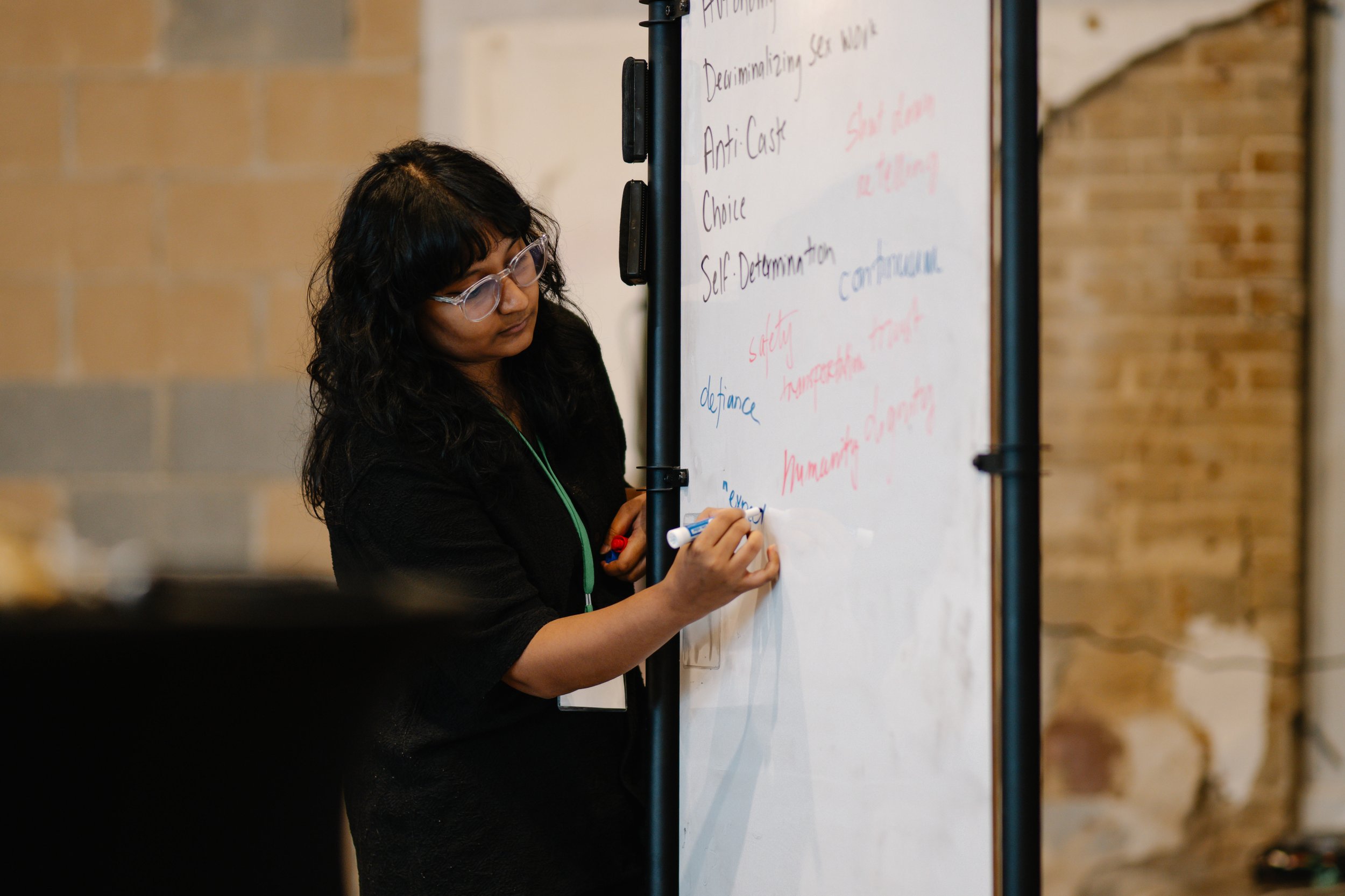
NQAPIA (the National Queer Asian Pacific Islander Alliance) offers trainings that equip LGBTQ+ Asian American, Native Hawaiian, and Pacific Islander (AANHPI) leaders with the tools to organize, lead, and build power and understanding in their communities.
From virtual workshops to in-person institutes, our trainings:
Build Personal and Professional Skills
Strengthen Organizing Practices
Raise Cultural Awareness
These sessions are designed to equip both new and seasoned organizers with practical tools to sustain their work.
Register for the FREE 2026 Trainings
We heard the feedback and in 2026, we are offering 10 free virtual workshops across topic areas that resonate most with local communities. These topics serve to either 1) Build Skills, 2) Strategically Organize, or 3) Raise Cultural Awareness.
Pick your own training adventure among the following training workshops:
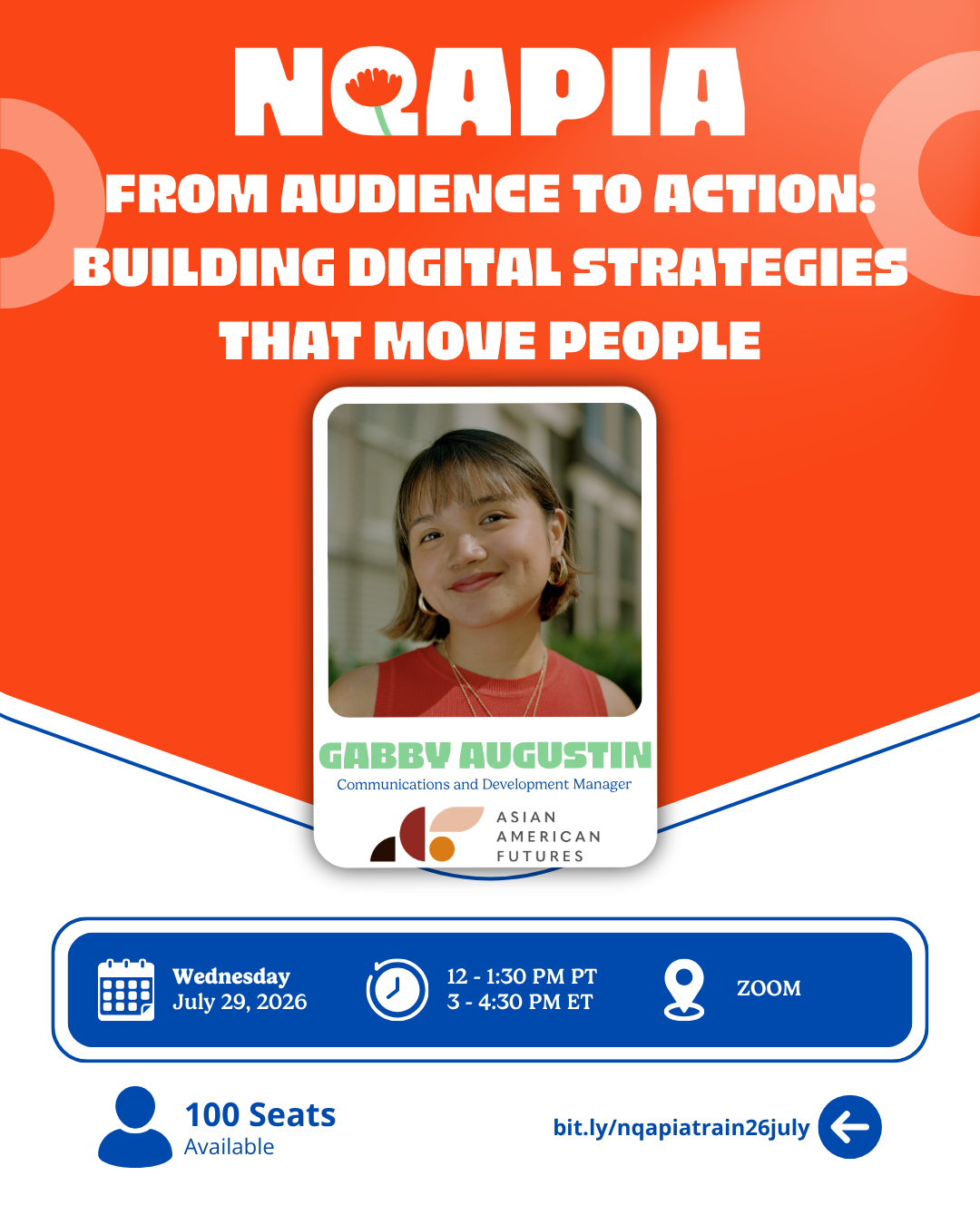
From Audience to Action: Building Digital Strategies that Move People
Join Gabby Agustin (she/her) from Asian American Futures as she helps us transform our audience to action. Strong digital campaigns start with understanding people—not just demographics. This session explores how audience insights can shape messaging, storytelling, distribution, and calls to action that meet people where they are.
Drawing from examples from Asian American Futures and the California Futures Hub, participants will learn practical ways to translate audience research into digital strategies that build trust, deepen community engagement, and inspire civic participation. Whether you're running electoral, advocacy, or community campaigns, you'll leave with frameworks you can immediately apply to your own work.
All experience levels are welcome.
*Registration required to attend.
In 2025, we piloted a 3-part training series dedicated to resource development. We held space for three phenomenal facilitators to discuss 1) Fundraising, 2) Grant-writing, and 3) Reporting and Evaluation.
We are offered free virtual workshops to build capacity for organizers, community leaders, and movement builders to identify existing and new resources, strategize on their specific lanes for resource development, and ideate about how they can tell the story of their work in culturally-significant ways.